How Television Affects Mental Health: Signs Your Viewing Habits May Need to Change
posted by: Guest
No Comments »
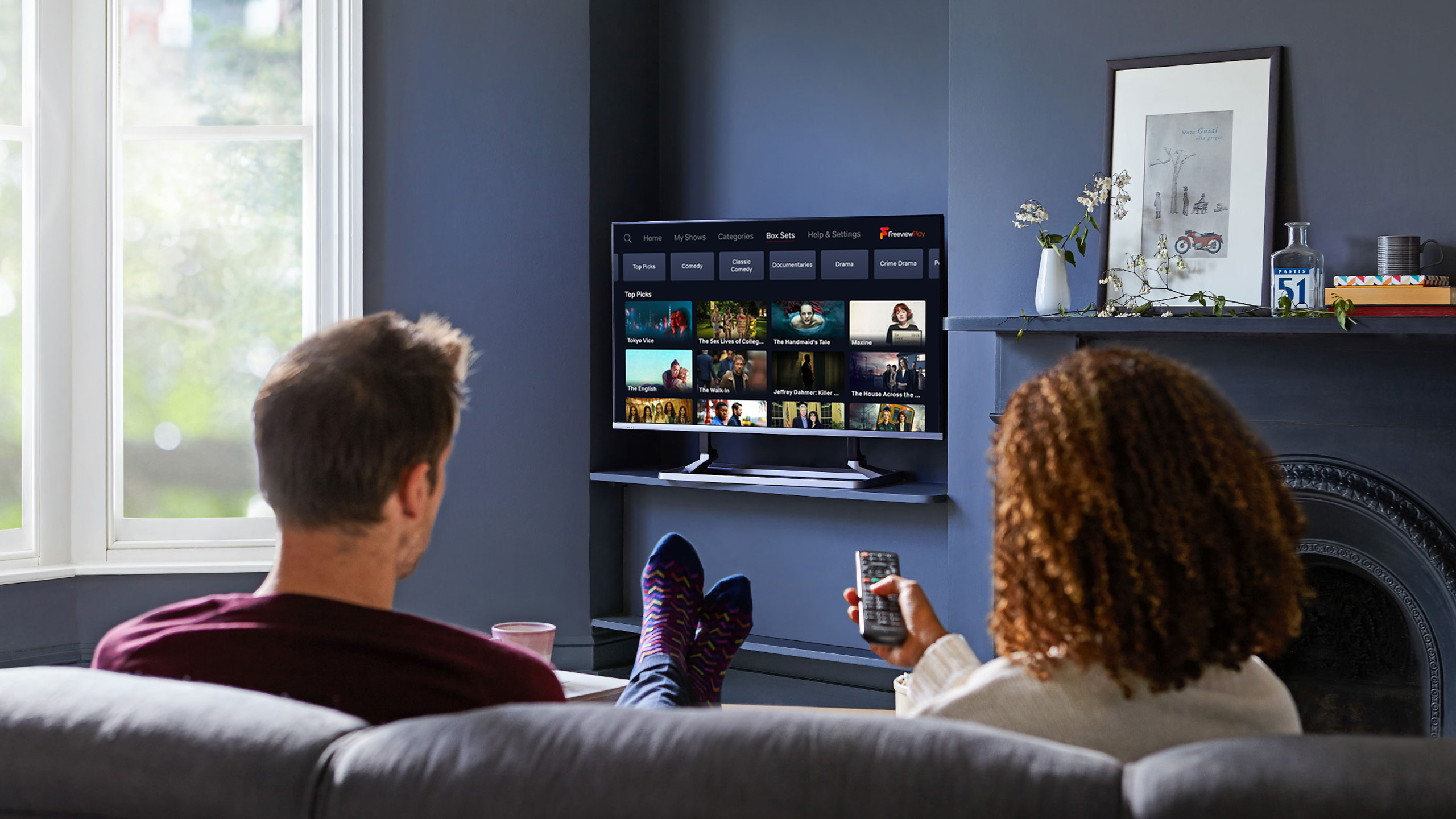
Television can be a welcome source of entertainment, comfort, and relaxation, but the amount of time you spend watching and the reasons you turn it on can affect your mental health. When TV begins to interfere with sleep, relationships, daily responsibilities, or emotional well-being, it may be time to reconsider your viewing habits. For people experiencing anxiety, depression, or addiction recovery challenges, understanding how television fits into everyday life can be an important step toward healthier coping strategies and lasting wellness.
Watching television is not automatically harmful. A favorite show can provide a break after a demanding day, and educational programs can introduce new ideas. However, problems can develop when watching becomes a way to avoid difficult emotions or replaces activities that support mental and physical health. By recognizing the signs of unhealthy viewing habits, you can make practical changes that support a more balanced lifestyle.
How Television Can Affect Mental Health
The relationship between television and mental health is complex. Its effects depend on the content you watch, how long you watch, and how viewing fits into your daily routine.
Television as a Source of Relaxation
For many people, television offers a simple way to unwind. Comedy can lift your mood, documentaries can spark curiosity, and familiar programs may provide comfort during stressful periods.
Taking time to relax is an important part of self-care. There is no need to feel guilty about enjoying your favorite programs when they fit comfortably into your schedule.
The key is balance. Television should complement activities such as spending time with loved ones, exercising, getting enough sleep, and pursuing personal interests. When it consistently takes the place of these activities, it may be affecting your well-being.
When Entertainment Becomes Emotional Avoidance
Sometimes, people turn on the television because they do not want to think about a difficult situation or experience uncomfortable feelings. Watching a show can temporarily distract you from stress, loneliness, grief, or anxiety.
Occasional distraction can be helpful. However, relying on television every time an uncomfortable emotion arises may prevent you from addressing the underlying issue.
For example, someone dealing with relationship problems might spend each evening watching several hours of television rather than having an important conversation. Another person experiencing anxiety may keep the TV running throughout the day to avoid being alone with their thoughts.
If this sounds familiar, approach the pattern with curiosity rather than criticism. Ask yourself what you are feeling before you start watching and whether there is another way to meet that need.
Five Signs Your Television Habits May Need to Change
Recognizing unhealthy patterns early can help you make changes before they significantly affect your quality of life.
1. You Regularly Watch Longer Than You Intended
You may plan to watch one episode but continue for several hours. Streaming services make this easy by automatically playing the next episode and suggesting more content.
Occasional long viewing sessions are not necessarily a concern. However, repeatedly losing track of time may indicate that television is taking up more space in your life than you intended.
What you can do: Decide what you want to watch before turning on the TV. Set a stopping point, disable automatic playback if possible, and use an alarm as a reminder when it is time to move on to another activity.
2. Your Sleep Schedule Is Suffering
Late-night television can make it tempting to postpone bedtime. Even when you feel tired, the desire to finish an episode or start another one can keep you awake longer than planned.
Poor sleep can affect concentration, mood, patience, and your ability to manage stress. These effects can be particularly challenging for individuals working through mental health concerns or addiction recovery.
What you can do: Establish a consistent bedtime and turn off the television before beginning your nighttime routine. Consider reading, gentle stretching, or listening to calming music instead.
3. You Avoid Friends, Family, or Responsibilities
Another warning sign appears when television regularly takes priority over relationships and daily commitments. You might cancel plans to stay home watching shows, ignore household tasks, or find yourself less available to people who care about you.
Social connection can provide emotional support, encouragement, and a sense of belonging. When excessive viewing contributes to isolation, it may weaken an important source of protection for your mental health.
What you can do: Schedule time for meaningful interactions. Start with manageable steps, such as sharing a meal without the television, calling a friend, or taking a walk with a family member.
4. You Use TV to Manage Every Difficult Emotion
If you automatically turn on the television whenever you feel anxious, frustrated, bored, or sad, you may be relying on a limited coping strategy.
Distraction has its place, but emotional wellness also involves learning to identify feelings, understand their causes, and respond constructively.
What you can do: Before watching, pause for a moment and name what you are feeling. If you are stressed, try slow breathing or a short walk. If you feel lonely, contact someone you trust. If you need rest, give yourself permission to relax without feeling that you must remain distracted at all times.
5. You Feel Worse After Watching Certain Programs
Television content can influence emotions differently from one person to another. Distressing news, intense storylines, or scenes involving substance use may increase anxiety or bring up difficult memories for some viewers.
Pay attention to your mood after watching. If certain programs repeatedly leave you feeling unsettled, discouraged, or emotionally overwhelmed, consider changing what you watch or limiting your exposure.
What you can do: Choose content intentionally and give yourself permission to stop watching something that does not feel helpful. During addiction recovery, discuss any recurring triggers with your counselor or treatment team.
The Connection Between Television and Addiction Recovery
Addiction recovery involves more than avoiding alcohol or other substances. It also means developing healthier ways to manage emotions, respond to stress, and structure daily life.
Television can be part of a healthy routine, but it may become unhelpful when it replaces recovery activities or serves as the main way to cope with cravings and emotional discomfort.
Recognizing Replacement Behaviors
A replacement behavior occurs when someone shifts from one way of coping to another without addressing the underlying need. For example, a person may stop using substances but begin spending most of their free time watching television to avoid boredom, loneliness, or stress.
This does not mean that watching TV is an addiction. Rather, it is an opportunity to consider whether your current habits support the life you want to build.
Recovery becomes more sustainable when you develop a range of healthy coping skills. Exercise, creative activities, supportive conversations, counseling, and structured routines can help you respond to difficult moments without depending on a single source of distraction.
Creating a Recovery-Friendly Routine
A balanced routine can make it easier to maintain recovery goals and protect emotional health. Consider planning your day around regular meals, sufficient sleep, movement, treatment appointments, personal responsibilities, and supportive social activities.
You can still make room for television. The difference is that watching becomes an intentional choice rather than the default response to every quiet moment.
If you notice that television is interfering with your recovery plan, discuss the pattern with a qualified professional. They can help you identify triggers and develop strategies that fit your circumstances.
Practical Ways to Build Healthier Viewing Habits
Changing television habits does not require an all-or-nothing approach. Small, consistent adjustments are often easier to maintain.
Set Limits That Fit Your Life
Start by estimating how much time you spend watching television each day. Identify periods when viewing is interfering with sleep, work, relationships, or personal goals.
Choose one realistic change. You might watch one episode instead of three, keep the television off during meals, or reserve certain evenings for hobbies and social activities.
Review your progress each week and adjust your plan as needed. The goal is to build habits that support your well-being, not to follow rigid rules that create unnecessary stress.
Explore Activities That Support Emotional Wellness
When you reduce television time, you may need alternative ways to relax and recharge. Choose activities that match your interests and energy level.
Some helpful options include:
- Walking outdoors or participating in gentle exercise.
- Journaling about thoughts, emotions, and personal goals.
- Practicing mindfulness, meditation, or prayer.
- Spending time with supportive friends and family.
- Exploring music, art, reading, or another creative hobby.
- Participating in counseling, peer support, or recovery activities.
A holistic approach to wellness recognizes the connection between physical health, emotional balance, meaningful relationships, and personal values. You do not need to pursue every activity. Start with the options that feel realistic and helpful to you.
When to Consider Professional Mental Health Support
Sometimes, changes to daily habits are not enough. If you are experiencing persistent sadness, anxiety, isolation, sleep difficulties, or substance use concerns, professional support can help you understand what is happening and determine an appropriate next step.
Mental health treatment can provide tools for managing emotions, changing unhelpful patterns, and addressing the challenges that may contribute to excessive television use.
Depending on your needs, support may include outpatient counseling, structured addiction treatment, or inpatient care when a more intensive level of support is appropriate. Individualized treatment considers your symptoms, personal history, recovery goals, and support system rather than assuming one approach works for everyone.
For some individuals, holistic practices or faith-based support may also complement professional treatment when these approaches align with their preferences and needs.
You do not have to wait until a problem becomes overwhelming to seek help. Asking for guidance early can make it easier to identify concerns and develop healthier routines.
Conclusion: Make Your Mental Health a Priority
Television can provide enjoyment and relaxation, but your viewing habits deserve attention when they begin to affect your sleep, relationships, responsibilities, or emotional well-being. Recognizing the warning signs allows you to make thoughtful changes and create more space for activities that support a healthier life.
If television has become a way to avoid difficult emotions or cope with challenges during addiction recovery, remember that you do not have to work through those struggles alone. Compassionate mental health care and individualized addiction recovery services can help you build healthier coping skills, address underlying concerns, and establish routines that support lasting progress.
Your next step does not have to be complicated. Start by changing one viewing habit, reconnecting with someone you trust, or speaking with a qualified professional about what you are experiencing. With practical strategies and the right support, you can build a more balanced relationship with television and take meaningful steps toward better mental health.