Is Too Much TV Affecting Your Mental Health? Signs, Risks, and Healthy Viewing Habits Explained
posted by: Guest
No Comments »
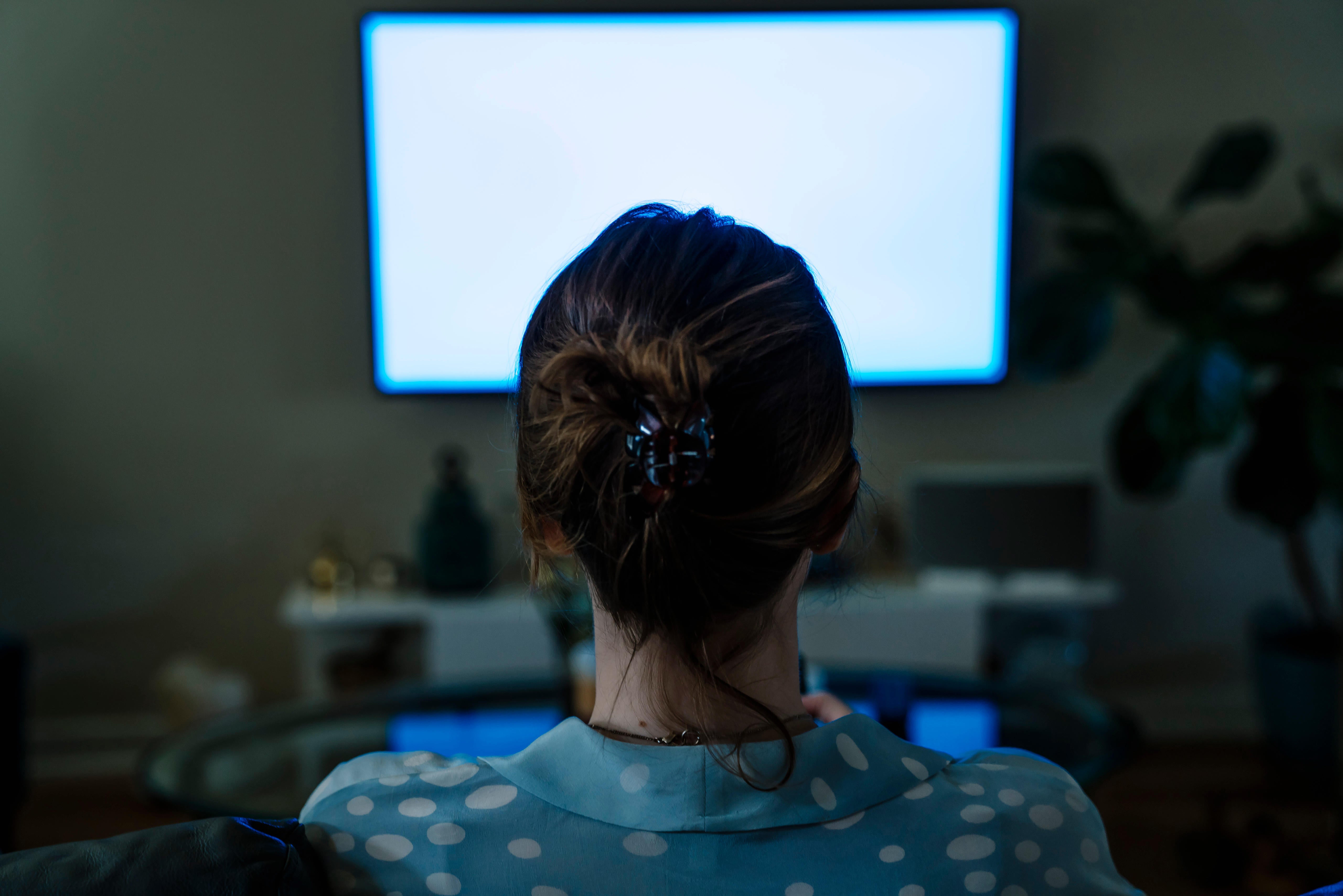
Television has long been a source of entertainment, relaxation, and connection with stories that inspire or educate us. However, when watching TV becomes a daily habit that consumes hours of your time, it may begin to affect your mental health in ways you do not immediately notice. While there is nothing wrong with enjoying your favorite shows, excessive screen time can influence anxiety, depression, emotional regulation, sleep quality, and even addiction recovery.
At Emisi Union Online, we believe lasting recovery is built through healthy daily habits, compassionate care, and individualized treatment. Our addiction recovery services, mental health treatment, inpatient and outpatient programs, and holistic faith based approach help individuals strengthen every aspect of their well being. Learning how screen time affects emotional health is one more way to support long term healing.
Can Too Much TV Affect Your Mental Health?
The short answer is yes. Television itself is not harmful, but excessive viewing can gradually influence emotional wellness, particularly when it replaces healthy coping skills or meaningful daily activities.
Many people use television to relax after work or decompress during stressful times. This can be beneficial in moderation. However, spending several hours each day in front of the screen may contribute to emotional challenges that become more noticeable over time.
For individuals recovering from addiction or managing mental health conditions, balance is especially important because daily routines play a significant role in emotional stability.
Signs That TV May Be Affecting Your Mental Health
Recognizing unhealthy viewing habits is the first step toward creating positive change.
You Watch TV to Escape Difficult Emotions
Watching television can temporarily distract you from stress, anxiety, loneliness, or sadness. While occasional distraction is normal, relying on TV as your primary coping strategy may prevent you from addressing the underlying emotions that need attention.
Healthy recovery encourages emotional awareness rather than emotional avoidance.
You Feel More Tired Than Refreshed
Many people expect television to help them unwind. However, after several hours of continuous viewing, you may feel mentally drained instead of energized.
Passive screen time can reduce mental engagement and leave you feeling less motivated to participate in activities that improve emotional health.
Your Sleep Has Changed
Late night television is one of the most common habits that affects sleep quality. Staying awake for “just one more episode” often leads to insufficient rest.
Poor sleep can increase anxiety, worsen depression, reduce concentration, and make emotional regulation more difficult during recovery.
Daily Responsibilities Are Being Replaced
Television becomes a concern when it consistently replaces healthy routines such as:
- Exercising regularly
- Spending time with family or friends
- Attending therapy sessions
- Participating in support groups
- Preparing healthy meals
- Practicing self care
Recovery is strengthened through consistency, and excessive TV viewing can gradually interfere with that structure.
The Risks of Excessive Screen Time During Recovery
Recovery involves rebuilding healthy patterns while learning new ways to respond to stress and emotional discomfort.
Emotional Avoidance
One of the greatest risks of excessive TV watching is using it to avoid uncomfortable emotions.
Healing requires recognizing feelings rather than escaping them. Therapy, counseling, mindfulness, prayer, and healthy relationships all provide opportunities to process emotions in productive ways.
Increased Isolation
Watching television for long periods may reduce opportunities for meaningful social interaction.
Supportive relationships are one of the strongest protective factors during addiction recovery. Spending time with trusted friends, family members, or recovery groups helps build accountability and emotional resilience.
Reduced Physical Activity
Physical movement plays an important role in emotional wellness. Regular exercise helps reduce stress hormones, improve mood, and support healthier sleep.
Replacing active time with prolonged television viewing may contribute to lower energy levels and reduced motivation.
Healthy Viewing Habits That Support Mental Wellness
The goal is not to eliminate television from your life. Instead, it is about creating healthy boundaries that support emotional wellness.
Set Daily Time Limits
Choose how much television you plan to watch before turning it on. Having a clear limit helps prevent binge watching and encourages intentional choices.
Choose Positive and Meaningful Content
Not every program affects people the same way. Pay attention to how different shows make you feel.
Educational programs, uplifting stories, nature documentaries, and inspirational content may leave you feeling calmer than programs filled with violence, conflict, or constant negativity.
Avoid TV Before Bed
Create an evening routine that allows your mind to relax naturally. Reading, journaling, meditation, or prayer can prepare your body for restful sleep more effectively than extended television viewing.
Replace Some Screen Time With Healthy Activities
Small lifestyle changes can have a meaningful impact on emotional health.
Consider replacing part of your daily viewing time with:
- Walking outdoors
- Exercise
- Journaling
- Meditation
- Prayer
- Reading
- Creative hobbies
- Spending time with supportive people
These activities strengthen emotional resilience while supporting recovery.
A Holistic Approach to Recovery
At Emisi Union Online, healing extends beyond managing symptoms. Our personalized treatment programs address emotional, physical, psychological, and spiritual well being through comprehensive addiction recovery and mental health care.
Whether someone participates in inpatient treatment, outpatient services, counseling, or holistic faith based support, the goal remains the same. We help individuals build sustainable habits that support lifelong recovery and emotional wellness.
Daily choices, including how television fits into your routine, become part of a healthier and more intentional lifestyle.
Conclusion
Too much TV may seem harmless, but excessive screen time can quietly affect anxiety, depression, sleep quality, emotional resilience, and addiction recovery. Fortunately, making mindful changes does not require giving up television completely. By setting healthy boundaries, choosing uplifting content, maintaining daily structure, and practicing healthier coping skills, you can enjoy entertainment while protecting your mental well being.
If you or someone you love is facing addiction or mental health challenges, you do not have to navigate recovery alone. Emisi Union Online provides compassionate, individualized care that addresses the whole person through evidence based treatment, holistic support, and faith based guidance. Reaching out today can be the beginning of a healthier routine, stronger emotional wellness, and lasting recovery.