The Hidden Effects of TV on Mental Health: What You Need to Know About Screen Time and Emotional Wellness
posted by: Guest
No Comments »
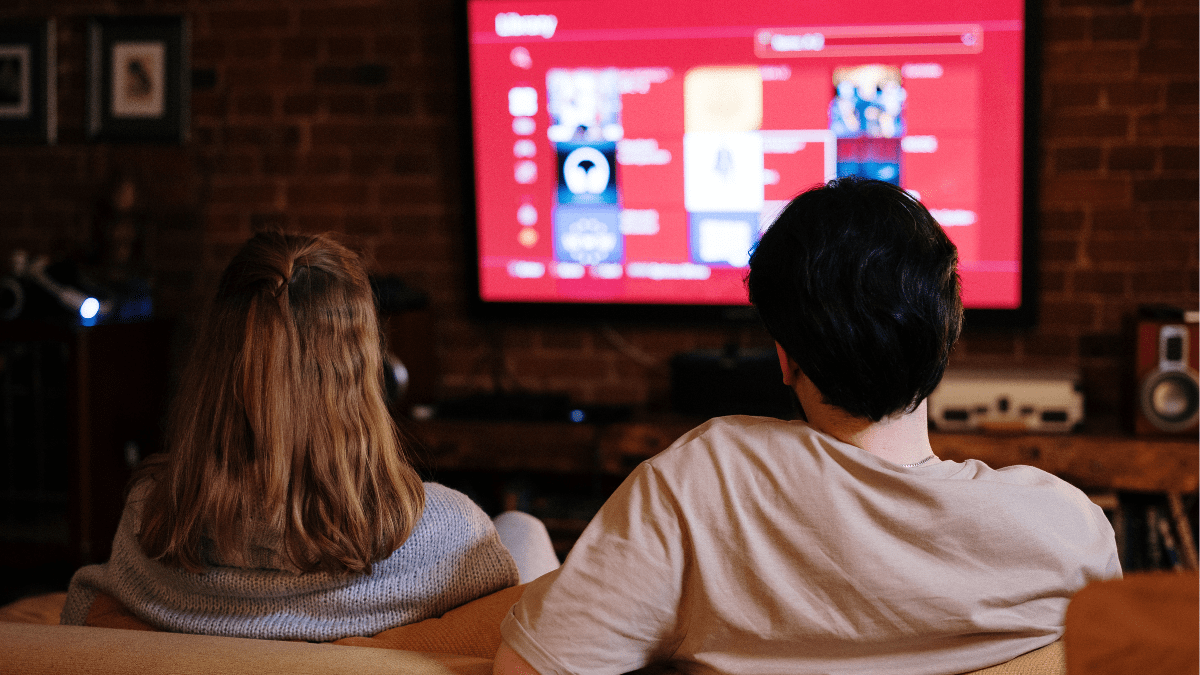
Television is often seen as a harmless way to relax, unwind, or pass time after a stressful day. While it can provide comfort and entertainment, its impact on mental health is often overlooked. Screen time, especially when it becomes a daily coping tool, can quietly influence mood, anxiety levels, sleep quality, and emotional stability. For individuals navigating addiction recovery or mental health challenges, these effects can play a meaningful role in overall healing and progress.
At Emisi Union Online, we understand that recovery is shaped by everyday habits, not just clinical treatment. Through addiction recovery services, mental health treatment, inpatient and outpatient care, and holistic faith based approaches, individuals are supported in building balanced routines that strengthen emotional wellness and long term stability. Understanding the hidden effects of TV is one small but important part of that journey.
How TV Affects Mental Health in Subtle Ways
Television does not always have an obvious impact on mental health. Instead, its influence builds gradually through repeated habits and emotional exposure.
Emotional Conditioning Through Content
TV programming is designed to evoke emotional responses. Whether it is drama, suspense, or emotionally charged storytelling, viewers are constantly reacting to what they see. Over time, this repeated stimulation can influence emotional sensitivity.
For individuals dealing with anxiety or depression, this can mean increased emotional reactivity, heightened stress responses, or difficulty returning to a calm state after watching intense content.
Passive Consumption and Mental Fatigue
Unlike active engagement such as reading or exercising, TV watching is passive. While this can feel relaxing, long periods of passive consumption can lead to mental fatigue, reduced motivation, and emotional numbness.
When the brain is constantly consuming without processing or engaging, it may become harder to feel energized or emotionally present in daily life.
The Connection Between Screen Time and Emotional Wellness
Emotional wellness depends on balance. When screen time begins to replace healthy coping strategies, it can subtly affect mental health over time.
TV as an Emotional Escape
It is common to use television as a way to escape stress, boredom, or uncomfortable emotions. While occasional distraction is healthy, frequent reliance on TV for emotional relief can prevent deeper emotional processing.
In recovery, learning to sit with emotions and respond to them in healthy ways is essential. Therapy, support groups, journaling, and spiritual practices all support this process.
Disrupted Sleep and Emotional Regulation
One of the most significant hidden effects of TV is its impact on sleep. Watching television late at night or binge watching episodes can delay sleep and reduce overall sleep quality.
Poor sleep directly affects emotional regulation. It becomes harder to manage stress, cravings, and mood fluctuations, all of which are important in addiction recovery and mental health treatment.
Reduced Engagement in Healthy Activities
Excessive TV viewing can also reduce time spent on activities that support emotional wellness, such as exercise, social connection, or personal reflection.
Over time, this imbalance can lead to decreased energy levels and reduced participation in recovery focused routines.
How TV Habits Can Influence Recovery Outcomes
Recovery is not only about treatment sessions. It is also about building a lifestyle that supports long term healing.
Impact on Structure and Routine
Structure plays a critical role in recovery. Daily routines that include therapy, meals, rest, movement, and connection help stabilize emotions and build consistency.
When TV watching becomes excessive, it can disrupt these routines and reduce overall structure, making recovery more challenging to maintain.
Reinforcing Avoidance Patterns
Many individuals in recovery are working to move away from avoidance behaviors. TV can sometimes reinforce avoidance by offering an easy way to distract from emotional discomfort.
While distraction may provide short term relief, long term healing requires engagement with emotions and experiences in a supportive environment.
Building Healthier TV and Screen Habits
The goal is not to eliminate television, but to create awareness and balance.
Set Clear Viewing Boundaries
Establish daily or weekly limits for TV use. This helps prevent unintentional overuse and encourages more mindful viewing habits.
Be Intentional With Content Choices
Notice how different programs affect your emotions. Choose content that feels calming, uplifting, or educational rather than emotionally draining.
Balance Screen Time With Recovery Supportive Activities
Replace some viewing time with activities that promote healing such as walking, meditation, journaling, prayer, or attending support meetings.
Protect Your Sleep Routine
Avoid screens before bedtime whenever possible. A consistent wind down routine without TV can improve sleep quality and emotional stability.
A Holistic Perspective on Healing
At Emisi Union Online, we take a whole person approach to recovery. Healing involves the mind, body, and spirit working together in balance. Our individualized treatment plans combine clinical care with holistic and faith based support to help individuals build sustainable wellness.
Understanding everyday habits like TV viewing helps clients become more aware of how small choices can influence emotional health and recovery progress.
Conclusion
The hidden effects of TV on mental health are often subtle but meaningful. While television can offer comfort and relaxation, excessive or unintentional screen time may contribute to emotional fatigue, sleep disruption, avoidance patterns, and reduced engagement in healthy routines.
By becoming more aware of viewing habits and making intentional adjustments, individuals can create a healthier balance that supports emotional wellness and recovery.
If you or someone you love is struggling with addiction or mental health challenges, compassionate help is available. Emisi Union Online offers personalized care designed to support lasting healing and emotional stability. Reaching out today can be the first step toward a more balanced, healthier, and hopeful future.
TV and Emotional Health: How Viewing Habits Can Support or Disrupt Mental Wellness in Recovery
posted by: Guest
No Comments »

Television is one of the most common ways people unwind, but its impact on emotional health is often underestimated. What seems like harmless relaxation can quietly shape mood, stress levels, sleep patterns, and even recovery progress. For individuals in addiction recovery or mental health treatment, TV viewing habits can either support stability or contribute to emotional imbalance depending on how they are used.
At Emisi Union Online, we understand that recovery is built on daily choices, not just treatment sessions. Through addiction recovery services, mental health care, inpatient and outpatient programs, and holistic faith based support, individuals are guided toward healthier routines that strengthen emotional resilience and long term healing. Screen habits are one of those everyday patterns that deserve awareness.
The Connection Between TV and Emotional Health
Television affects emotional health in subtle but powerful ways. The brain responds not only to content but also to the amount of time spent watching.
How TV Influences Mood
TV programming is designed to evoke emotion. Drama, suspense, comedy, and even reality shows trigger psychological responses. While this can be enjoyable, repeated exposure to intense emotional content may contribute to mood swings, irritability, or emotional fatigue.
For individuals already experiencing anxiety or depression, these emotional shifts can feel more pronounced and harder to regulate.
Passive Viewing and Emotional Numbness
Long periods of passive TV watching can also lead to emotional disengagement. The mind becomes occupied but not actively stimulated, which may contribute to feelings of emptiness or low motivation over time.
In recovery, emotional awareness is essential. When awareness decreases, it becomes harder to recognize and process important feelings.
How Viewing Habits Affect Recovery Outcomes
Recovery is not only about avoiding harmful behaviors. It is about building structure, emotional regulation, and healthy coping strategies. TV habits can influence all three.
TV as a Coping Mechanism
It is common to use television to escape stress, anxiety, or uncomfortable emotions. While this may offer short term relief, it can also delay emotional processing.
In recovery, learning to sit with emotions is a key part of healing. Therapy, support groups, and holistic practices help individuals develop healthier coping tools.
Impact on Daily Structure and Discipline
Structure is a cornerstone of recovery. Consistent routines help stabilize mood, reduce stress, and support long term progress.
Excessive TV viewing can disrupt these routines by replacing important activities such as therapy sessions, exercise, meals, or rest. Over time, this can weaken recovery momentum.
Sleep Disruption and Emotional Stability
Late night viewing is one of the most common ways TV affects recovery. Screen exposure before bed can interfere with sleep quality and delay rest.
Poor sleep directly impacts emotional regulation, making it harder to manage cravings, stress, and mood changes. In recovery, this can increase vulnerability and reduce resilience.
Recognizing When TV Habits Become Unhelpful
Awareness is the first step toward change. Understanding your viewing patterns can help identify when TV is no longer serving your mental wellness.
Common Warning Signs
- Watching TV longer than intended on a regular basis
- Using TV to avoid emotions or responsibilities
- Feeling emotionally drained after viewing
- Skipping sleep or routines because of screen time
- Losing interest in recovery focused activities
These signs do not mean TV must be removed completely. They simply suggest that balance may be needed.
Creating Healthier Viewing Habits
The goal is not elimination but intentional use. Healthy TV habits can coexist with recovery when guided by awareness and structure.
Set Clear Time Boundaries
Decide in advance how much time you will spend watching TV each day. Clear limits help prevent overuse and encourage more mindful engagement.
Be Intentional With Content Choices
Notice how different types of shows affect your emotions. Choose content that feels calming, uplifting, or neutral rather than highly stressful or emotionally intense.
Balance Screen Time With Active Coping Skills
Replace some viewing time with activities that support recovery such as walking, journaling, meditation, prayer, or connecting with supportive people.
Prioritize Sleep and Rest
Avoid screen use before bedtime. Creating a consistent wind down routine without TV helps improve sleep quality and emotional stability.
A Holistic Approach to Recovery and Mental Wellness
At Emisi Union Online, we believe recovery is a whole person journey. Emotional health is influenced not only by treatment but also by everyday habits and lifestyle choices.
Our individualized care combines clinical support with holistic and faith based approaches to help individuals build strong foundations for long term healing. Understanding habits like TV viewing is part of that process.
Conclusion
TV and emotional health are closely connected. Viewing habits can either support relaxation and balance or contribute to emotional disruption, depending on how they are managed. While television can be a helpful part of daily life, excessive or unintentional use may interfere with mood stability, sleep, and recovery progress.
By becoming more mindful of viewing habits and making small, intentional adjustments, individuals can create healthier routines that support emotional wellness.
If you or someone you love is struggling with addiction or mental health challenges, compassionate support is available. Emisi Union Online offers personalized care designed to help individuals build stability, resilience, and lasting recovery. Reaching out today can be the first step toward a healthier and more balanced life.
When Relaxation Turns Risky: How TV Habits Can Shape Mental Health and Recovery Outcomes
posted by: Guest
No Comments »

Television is often viewed as a safe and simple way to relax. After a long day, it offers distraction, comfort, and a way to disconnect from stress. However, relaxation can quietly turn into a risky habit when TV becomes the primary way of coping with emotions, boredom, or anxiety. For individuals in mental health treatment or addiction recovery, daily viewing habits can influence emotional stability, motivation, sleep quality, and long term recovery outcomes.
At Emisi Union Online, we recognize that recovery is built on awareness, structure, and compassionate care. Through addiction recovery services, mental health treatment, inpatient and outpatient programs, and holistic faith based approaches, individuals are supported in creating balanced routines that promote healing in all areas of life. Screen habits, including TV use, are part of that larger picture.
How TV Affects Emotional and Mental Health
Television is not inherently harmful, but its impact depends on how it is used and what role it plays in daily life.
Emotional Impact of Content
Many TV shows are designed to trigger emotional engagement through drama, conflict, or suspense. While this can be entertaining, it can also lead to emotional overstimulation. For individuals already experiencing anxiety or depression, frequent exposure to intense content may increase stress levels or contribute to emotional fatigue.
Even seemingly harmless viewing can have a cumulative effect when it becomes a daily coping tool rather than occasional entertainment.
The Illusion of Relaxation
TV often feels relaxing because it requires little effort. However, passive consumption does not always provide true emotional recovery. Instead of processing stress or emotions, the mind is distracted. Over time, this can delay emotional healing and reduce self awareness.
When Relaxation Becomes a Coping Pattern
One of the most important concerns in both mental health and addiction recovery is how individuals cope with discomfort.
Using TV to Avoid Emotional Processing
It is common to turn to television during moments of stress, sadness, or uncertainty. While this may provide temporary relief, it can also become a form of emotional avoidance.
Recovery involves learning to face emotions in healthy ways. Therapy, support groups, journaling, and spiritual practices help individuals build this capacity. When TV replaces these tools, emotional growth may slow down.
Impact on Recovery Progress
In recovery, progress depends on consistency, self awareness, and healthy coping strategies. Excessive TV viewing can interfere with these goals by reducing time spent on meaningful recovery activities such as therapy sessions, exercise, or reflection.
Over time, this can weaken structure, which is a key foundation for long term healing.
Sleep Disruption and Emotional Regulation
Late night viewing is one of the most common habits that affects recovery outcomes. Screen exposure before bed can disrupt sleep cycles, leading to poor rest quality.
Lack of sleep affects emotional regulation, making it harder to manage cravings, stress, or mood changes. In recovery, this can increase vulnerability and reduce resilience.
Recognizing When TV Habits Are Becoming Unhealthy
Understanding your relationship with TV is an important step in maintaining balance.
Warning Signs to Watch For
- Watching TV longer than intended on a regular basis
- Using TV to avoid emotions or responsibilities
- Feeling anxious or low after extended viewing
- Neglecting sleep or routines due to screen time
- Losing interest in other recovery supportive activities
These signs do not mean TV must be eliminated. They simply suggest that adjustments may be helpful.
Creating Healthier TV Habits
Mindful viewing is about balance, not restriction. The goal is to ensure that TV supports well being rather than disrupts it.
Set Intentional Time Limits
Decide in advance how long you will watch TV each day. Clear boundaries help prevent excessive viewing and encourage more mindful use.
Be Selective With Content Choices
Pay attention to how different programs affect your mood. Choose content that is calming, educational, or uplifting whenever possible.
Balance Screen Time With Active Coping
Replace some viewing time with activities that support mental health and recovery, such as walking, reading, prayer, meditation, or connecting with supportive people.
Protect Sleep and Rest
Avoid screen use at least one hour before bedtime. This supports healthier sleep patterns and improves emotional stability.
A Holistic Approach to Recovery and Wellness
At Emisi Union Online, we take a whole person approach to healing. Recovery is not only about treatment sessions but also about daily habits that shape emotional, physical, and spiritual health.
Our individualized care plans combine clinical support with holistic and faith based approaches to help individuals build sustainable routines. Understanding habits like TV use is part of developing long term awareness and stability.
Conclusion
Relaxation can turn risky when TV becomes a primary coping mechanism rather than a mindful activity. While television can provide comfort and rest, excessive or unintentional use may interfere with emotional processing, sleep, and recovery progress.
By becoming aware of viewing habits and making intentional changes, individuals can restore balance and support their mental health more effectively.
If you or someone you love is struggling with addiction or mental health challenges, support is available. Emisi Union Online offers compassionate, personalized care designed to help individuals rebuild stability and achieve lasting recovery. Reaching out today can be the first step toward a healthier, more balanced life.
The Quiet Effects of TV on Mental Health: Anxiety, Depression, and Daily Screen Habits Explained
posted by: Guest
No Comments »

Television is often part of daily life without much thought. It is something many people turn on automatically after work, during meals, or before bed. While it can feel harmless, TV has quiet and often overlooked effects on mental health. For individuals experiencing anxiety, depression, or navigating addiction recovery, daily screen habits can influence mood, sleep, motivation, and emotional stability in subtle but meaningful ways.
At Emisi Union Online, we understand that healing involves more than treatment sessions. Through addiction recovery services, mental health treatment, inpatient and outpatient care, and holistic faith based approaches, individuals are supported in building healthy routines that strengthen emotional resilience and long term wellness. Screen habits are one of those everyday patterns that deserve attention.
How TV Affects Anxiety and Depression
Television does not directly cause mental health conditions, but it can influence symptoms in ways that are often underestimated.
Emotional Overstimulation and Anxiety
Many television programs are designed to capture attention through tension, conflict, and emotional intensity. While engaging, this can lead to overstimulation of the nervous system. For individuals already dealing with anxiety, this heightened emotional state can make it harder to relax, slow thoughts, or feel grounded.
Even news programming can contribute to anxiety when consumed in large amounts. Constant exposure to distressing events can create a sense of overwhelm or worry that carries beyond the screen.
Low Mood and Emotional Fatigue in Depression
For individuals managing depression, long periods of passive TV watching can sometimes deepen feelings of low energy or disconnection. While TV may provide temporary distraction, it does not actively engage the mind or body.
Over time, this passive consumption can contribute to emotional fatigue, reduced motivation, and less interest in activities that support recovery, such as exercise, social interaction, or therapy engagement.
The Role of Daily Screen Habits in Mental Wellness
The impact of TV is not only about what is watched, but how often and why it is used.
TV as a Coping Mechanism
It is common to use television as a way to unwind or escape stress. However, when TV becomes the primary coping tool, it may prevent healthier emotional processing.
In recovery, learning to cope with stress, boredom, and emotional discomfort is essential. Therapy, support groups, mindfulness, and spiritual practices help build these skills. Overreliance on TV can slow this development.
Disrupted Routine and Structure
Healthy routines are a cornerstone of both mental health and addiction recovery. Regular sleep, meals, physical activity, and social connection all support emotional stability.
Excessive screen time can interfere with this structure. Long viewing sessions may replace healthy habits, leading to inconsistent sleep patterns and reduced engagement in recovery focused activities.
Social Withdrawal and Isolation
Recovery thrives on connection. Support systems provide accountability, encouragement, and shared understanding.
However, spending too much time watching TV can reduce opportunities for real interaction. Over time, this can increase feelings of isolation, which may negatively affect both mood and recovery progress.
Recognizing the Quiet Warning Signs
The effects of TV on mental health are often subtle. Paying attention to patterns can help identify when screen habits may be influencing emotional well-being.
Common Signs Include
- Feeling mentally drained after watching TV
- Difficulty stopping or limiting viewing time
- Using TV to avoid emotions or responsibilities
- Reduced interest in social or recovery activities
- Trouble sleeping after screen use
Recognizing these signs is not about guilt. It is about awareness and making choices that support healing.
Building Healthier Screen Habits
Creating balance does not require eliminating television. It requires intentional use that supports mental wellness rather than disrupts it.
Set Clear Boundaries for Viewing Time
Establish a daily limit for TV and avoid unstructured binge watching. Having clear boundaries helps maintain balance and encourages more mindful choices.
Be Selective With Content
Notice how different types of shows affect your mood. Choose content that is calming, uplifting, or educational. Limit exposure to material that increases stress or emotional discomfort.
Replace Passive Time With Active Coping Skills
Balance screen time with activities that support mental health, such as walking, journaling, prayer, meditation, or engaging in supportive conversations. These habits help regulate emotions more effectively.
Prioritize Sleep and Rest
Avoid screen use before bed whenever possible. Quality sleep plays a critical role in managing anxiety, depression, and recovery stability.
A Holistic Approach to Mental Health and Recovery
At Emisi Union Online, healing is approached from a whole person perspective. Each individual receives personalized care that integrates clinical treatment, holistic support, and faith based guidance.
Understanding everyday habits like screen time helps individuals create a lifestyle that supports emotional balance and long term recovery. Small changes can have a meaningful impact over time.
Conclusion
The effects of TV on mental health are often quiet but significant. While television can offer comfort and relaxation, daily screen habits may also contribute to anxiety, depression, emotional fatigue, and reduced motivation when not balanced carefully.
By becoming more aware of viewing habits and making intentional adjustments, individuals can create a healthier relationship with screen time that supports emotional stability and recovery.
If you or someone you love is struggling with addiction or mental health challenges, compassionate help is available. Emisi Union Online offers individualized care designed to support healing, resilience, and lasting wellness. Reaching out today can be the first step toward a more balanced and hopeful future.
Is Your Screen Time Affecting Your Mood? Understanding TV’s Hidden Impact on Mental Wellness
posted by: Guest
No Comments »
Television is often seen as a simple way to relax, but its impact on your mood and mental wellness is more complex than it appears. What starts as a short break can quickly turn into hours of passive viewing that subtly affects emotional balance, sleep quality, and even recovery progress. For individuals navigating addiction recovery or mental health challenges, understanding how screen time influences mood is an important step toward building stability and long term healing.
At Emisi Union Online, we approach recovery with compassion and a focus on the whole person. Through addiction recovery services, mental health treatment, inpatient and outpatient care, and holistic and faith based support, individuals are guided toward healthier routines that strengthen emotional resilience. Screen time habits, including TV viewing, are part of that everyday wellness picture.
The Connection Between Screen Time and Mood
Screen time is not just a passive activity. It actively engages the brain and influences emotional responses, even when you are not fully aware of it.
Emotional Triggers From Content
TV programs are designed to evoke emotion. Whether it is suspense, sadness, excitement, or fear, these emotional shifts can directly affect mood. While occasional engagement with emotional content is normal, frequent exposure to intense or negative themes may lead to increased anxiety or emotional fatigue.
For individuals already managing depression or anxiety, this emotional stimulation can make it harder to maintain stability throughout the day.
Passive Consumption and Mental Fatigue
Unlike active hobbies, watching TV requires little mental engagement. Extended periods of passive consumption can lead to mental fog, reduced motivation, and a feeling of emotional emptiness.
Over time, this can contribute to low mood and decreased interest in activities that normally support mental wellness.
How Screen Time Impacts Mental Health in Recovery
Recovery is a process of rebuilding emotional balance, structure, and healthy coping skills. Screen time can either support or interfere with that process depending on how it is used.
Using TV to Avoid Emotions
It is common to turn to television during moments of stress, boredom, or emotional discomfort. While this can provide temporary relief, it may also become a form of emotional avoidance.
In recovery, learning to face and process emotions is essential. Therapy, support groups, and holistic practices help individuals build these skills in a safe and supportive environment.
Disruption of Healthy Daily Structure
Structure is a key part of mental wellness and recovery. Regular routines that include sleep, meals, exercise, therapy, and connection with others help maintain emotional stability.
Excessive TV watching can disrupt this structure. Long viewing sessions may replace healthy routines, reducing consistency and slowing emotional progress.
Sleep Quality and Emotional Regulation
Screen time, especially at night, can interfere with sleep. Poor sleep is strongly linked to mood swings, irritability, and increased anxiety.
In recovery, quality sleep supports emotional regulation, decision making, and overall mental clarity. Without it, maintaining stability becomes more difficult.
Recognizing When Screen Time Becomes a Problem
Understanding your own habits is an important part of mental wellness. Reflecting on your screen time can help you identify patterns that may be affecting your mood.
Common Signs to Watch For
- Feeling more tired or drained after watching TV
- Using TV as the main way to cope with stress or emotions
- Losing track of time while watching shows
- Avoiding responsibilities or social interaction
- Difficulty sleeping after screen use
If these patterns feel familiar, it may be time to reassess your relationship with screen time.
Building Healthier Viewing Habits
The goal is not to eliminate television but to create balance so that it supports rather than disrupts your mental wellness.
Set Intentional Time Limits
Decide in advance how much time you will spend watching TV each day. Having clear boundaries helps prevent overuse and encourages more mindful choices.
Choose Content That Supports Emotional Health
Pay attention to how different shows make you feel. Select programs that are calming, uplifting, or educational. Avoid content that consistently increases stress or negative emotions.
Create Balance With Active Habits
Balance screen time with activities that support mental wellness, such as walking, journaling, prayer, meditation, or spending time with supportive people. These activities help regulate mood and improve emotional resilience.
Protect Your Sleep Routine
Turn off screens at least one hour before bedtime. This allows the brain to relax naturally and supports better sleep quality, which is essential for mood stability.
A Holistic Approach to Mental Wellness
At Emisi Union Online, we believe that recovery involves more than treatment sessions. It involves daily habits, emotional awareness, and lifestyle balance. Our individualized care model integrates clinical support with holistic and faith based approaches to help individuals build sustainable wellness.
Understanding screen time is part of this larger healing process. Small, intentional changes can make a meaningful difference in emotional stability and recovery progress.
Conclusion
Screen time can have a subtle but powerful effect on your mood and mental wellness. While television can offer relaxation, excessive or unmindful viewing may contribute to emotional fatigue, disrupted sleep, and reduced motivation.
By becoming more aware of your habits and making intentional adjustments, you can create a healthier relationship with screen time that supports emotional balance and recovery.
If you or someone you love is struggling with addiction or mental health challenges, support is available. Emisi Union Online offers compassionate, personalized care designed to help individuals build healthier routines and achieve lasting healing. Taking the first step today can open the door to a more balanced, stable, and fulfilling life.
How TV Influences Your Mental Health: What You Need to Know for Emotional Balance and Recovery
posted by: Guest
No Comments »
Television is a normal part of everyday life, often used to relax, unwind, or escape from stress. While it can offer comfort, TV also has a powerful influence on mood, thinking patterns, and emotional health. For individuals navigating addiction recovery or mental health challenges, this influence can either support healing or quietly disrupt progress. Understanding how TV affects your mental health is an important step toward building emotional balance and long term recovery.
At Emisi Union Online, we take a compassionate and individualized approach to healing. Through addiction recovery services, mental health treatment, inpatient and outpatient care, and holistic faith based support, we help individuals develop healthier routines that strengthen emotional stability and overall well-being. Everyday habits, including screen time, are part of that healing journey.
The Connection Between TV and Mental Health
Television affects the mind in subtle but meaningful ways. The type of content you watch and the amount of time you spend watching both play a role in emotional wellness.
Emotional Response to Content
TV shows are designed to trigger emotional reactions. Drama, suspense, and conflict can increase excitement but also raise stress levels. For someone dealing with anxiety or depression, frequent exposure to intense or negative content may lead to emotional fatigue or increased worry.
Even news programming can contribute to heightened stress when consumed in large amounts. Continuous exposure to distressing events can make the world feel overwhelming and affect overall mood stability.
Impact on Thought Patterns
The brain absorbs repeated messages from what it watches. Certain themes in television content can influence how we think about relationships, safety, or self worth. When viewing becomes excessive, these patterns may shape emotional responses in ways that are not always helpful for mental health recovery.
How TV Affects Emotional Balance in Recovery
Recovery is not just about abstaining from substances. It also involves learning new coping strategies, managing emotions, and creating structure in daily life. TV habits can support or interfere with these goals.
TV as a Coping Mechanism
It is common for individuals in recovery to use television as a way to cope with stress, boredom, or emotional discomfort. While occasional distraction is healthy, relying heavily on TV can prevent deeper emotional processing.
Recovery involves learning to sit with emotions and respond to them in healthy ways. Therapy, support groups, journaling, and spiritual practices all help develop this skill.
Disruption of Healthy Routine
Structure is essential in recovery. Daily habits such as therapy sessions, exercise, nutrition, rest, and connection with others help create stability.
Excessive TV watching can disrupt this structure. Long viewing sessions may replace healthier activities that support emotional regulation and long term healing.
Sleep and Energy Imbalance
Late night TV watching can interfere with sleep quality. Poor sleep affects concentration, mood, and impulse control. In recovery, this can make it more difficult to manage cravings or emotional triggers.
Consistent rest is one of the most important foundations for emotional balance.
Building Healthier TV Habits
Television does not need to be removed completely. Instead, mindful viewing can help create balance between relaxation and emotional wellness.
Set Clear Viewing Limits
Establish a daily time limit for TV and stick to it. This helps prevent overuse and encourages intentional choices about when and what to watch.
Choose Supportive Content
Be mindful of how different shows affect your emotions. Select programs that are calming, educational, or uplifting. Avoid content that consistently increases stress or anxiety.
Balance Screen Time With Healthy Activities
Replace some viewing time with activities that support recovery such as walking, journaling, prayer, meditation, or spending time with supportive people. These habits strengthen emotional resilience.
Protect Your Sleep Routine
Turn off screens at least one hour before bed. This allows the mind to relax naturally and improves sleep quality, which is essential for mental health recovery.
A Holistic Approach to Healing
At Emisi Union Online, we believe that recovery involves the whole person. Our individualized treatment plans combine clinical care, holistic practices, and faith based support to address emotional, physical, and spiritual needs.
Understanding everyday habits like TV use helps individuals make choices that support long term healing. Small changes in routine can lead to meaningful improvements in emotional balance and overall well-being.
Conclusion
Television can influence mental health in both positive and negative ways. While it can provide comfort and relaxation, excessive or unmindful viewing may contribute to emotional imbalance, disrupted sleep, and reduced engagement in healthy recovery activities.
By setting boundaries, choosing content wisely, and building supportive routines, individuals can create a healthier relationship with screen time that supports emotional stability and recovery.
If you or someone you love is struggling with addiction or mental health challenges, compassionate help is available. Emisi Union Online offers personalized, professional care designed to support lasting recovery and emotional wellness. Reaching out today can be the first step toward a more balanced, healthier, and hopeful future.
Watching Mindfully: How TV Habits Can Support or Disrupt Mental Health Recovery
posted by: Guest
No Comments »

Television is often part of daily life, offering comfort, distraction, and a way to unwind after stressful moments. For individuals in mental health recovery or addiction treatment, however, TV habits can play a much more significant role than many realize. The way you watch, what you watch, and how often you engage with screens can either support emotional healing or quietly interfere with progress. Mindful viewing is about bringing awareness to these habits so that screen time becomes a supportive tool rather than a barrier to wellness.
At Emisi Union Online, recovery is viewed through a holistic and compassionate lens. With services that include addiction recovery treatment, mental health care, inpatient and outpatient programs, and faith based individualized support, the focus is always on helping clients build stable, meaningful lives. Understanding everyday habits like TV use is part of that healing journey.
The Role of TV in Mental Health Recovery
Television is not inherently helpful or harmful. Its impact depends on how it is used within a person’s daily routine and emotional landscape.
TV as a Tool for Relaxation
When used intentionally, TV can offer a healthy form of relaxation. Lighthearted shows, inspiring stories, and educational content can help the mind unwind after therapy sessions, work stress, or emotional processing. For many individuals in recovery, structured relaxation is an important part of emotional regulation.
When TV Becomes a Disruptive Habit
Challenges arise when TV use becomes excessive or unintentional. Long viewing sessions, especially late at night, can interfere with sleep, reduce motivation, and increase emotional fatigue. In recovery, consistency and balance are essential, and unmanaged screen time can disrupt both.
How Viewing Habits Affect Emotional Wellness
Mindful viewing is about understanding how TV impacts mood, behavior, and recovery progress.
Emotional Overstimulation and Stress
Many television programs are designed to provoke strong emotional reactions. While engaging, this can sometimes lead to overstimulation. Intense dramas, fast paced narratives, or distressing news content may increase anxiety or leave viewers feeling emotionally drained.
For individuals managing depression or anxiety, this added stimulation can make emotional regulation more difficult.
Sleep Disruption and Mental Fatigue
One of the most common effects of excessive TV watching is poor sleep. Binge watching or late night viewing can delay rest and disrupt natural sleep cycles. Sleep is critical for mental health recovery because it supports emotional stability, cognitive clarity, and stress management.
Without proper rest, individuals may find it harder to cope with cravings, triggers, or emotional challenges.
Reduced Engagement in Recovery Activities
Recovery involves active participation in healing. Therapy, support groups, exercise, journaling, and spiritual practices all play important roles. Excessive screen time can unintentionally replace these activities, slowing progress and weakening structure.
Mindful Watching in Recovery
Mindful viewing encourages awareness, intention, and balance. It allows individuals to enjoy television without allowing it to negatively affect mental health.
Set Intentional Boundaries
Creating clear limits around screen time is an important first step. Decide how long you will watch and avoid passive binge watching. Structure helps maintain balance and prevents TV from becoming a default coping mechanism.
Choose Content That Supports Healing
Pay attention to how different types of content affect your emotions. Choose programs that are calming, uplifting, or educational. Avoid content that consistently increases stress, sadness, or anxiety.
Check In With Your Emotional State
Before and after watching TV, take a moment to reflect on how you feel. Are you more relaxed, or more tense. This awareness helps you understand whether your viewing habits are supporting your recovery.
Balance Screen Time With Healthy Activities
TV should be one part of a balanced lifestyle. Pair viewing with activities that support mental health such as walking, prayer, meditation, journaling, or connecting with loved ones. These habits reinforce emotional stability.
The Importance of Structure in Recovery
At Emisi Union Online, structured care is a key part of treatment. Whether through inpatient care, outpatient programs, or holistic and faith based approaches, individuals are guided toward routines that support long term healing.
Healthy habits, including mindful TV use, contribute to this structure. When daily choices align with recovery goals, emotional resilience strengthens over time.
Conclusion
Watching mindfully is not about avoiding television altogether. It is about understanding how TV habits influence mental health and making intentional choices that support recovery. When used with awareness, television can be a source of relaxation. When used without balance, it can contribute to emotional fatigue, sleep disruption, and reduced engagement in healing activities.
If you or someone you love is navigating addiction or mental health challenges, support is available. Emisi Union Online provides compassionate, individualized care designed to help clients build healthier habits and sustainable recovery. Taking the first step toward help can open the door to lasting emotional wellness and a more balanced life.
Too Much TV, Too Little Balance: How Screen Time Can Affect Mental Health and Healing
posted by: Guest
No Comments »

Television can feel like a safe place to unwind after a stressful day. It offers comfort, distraction, and an easy escape from pressure or emotional discomfort. However, when screen time becomes excessive, it can quietly disrupt mental health, emotional balance, and even recovery progress. For individuals working through addiction recovery or mental health challenges, too much TV and too little balance can interfere with healing in ways that are often overlooked.
At Emisi Union Online, we understand that recovery is a whole person journey. Through addiction recovery services, mental health treatment, inpatient and outpatient care, and holistic and faith based approaches, individuals are supported in building structured, meaningful lives that promote long term wellness. Healthy screen habits are part of that bigger picture.
How Excessive TV Impacts Mental Health
Television is not harmful on its own. The concern arises when it replaces healthier habits or becomes the main way of coping with stress, emotions, or boredom.
Emotional Overload and Mood Changes
Many television programs are designed to keep viewers emotionally engaged. Intense storylines, dramatic conflicts, and stressful news cycles can increase emotional stimulation. Over time, this can contribute to anxiety, irritability, or emotional fatigue.
For individuals already managing depression or anxiety, this constant stimulation can make it harder to maintain emotional stability. Instead of feeling relaxed, the mind may feel overstimulated or drained.
Sleep Disruption and Fatigue
One of the most common effects of excessive TV watching is disrupted sleep. Late night viewing or binge watching multiple episodes can delay rest and reduce sleep quality. Poor sleep affects mood regulation, focus, and overall mental health.
In recovery, sleep is especially important. Consistent rest helps the brain heal, supports emotional control, and reduces vulnerability to stress and cravings.
Reduced Physical Activity and Energy Levels
Extended screen time often means less movement. Physical activity plays a key role in mental wellness by reducing stress and improving mood. When TV replaces exercise or outdoor activity, energy levels and emotional resilience can decline.
The Connection Between Screen Time and Recovery
Recovery involves building healthy routines and developing new coping skills. Excessive TV use can interfere with this process in several important ways.
TV as Emotional Avoidance
It is common for individuals in recovery to seek comfort in distraction. Television can temporarily numb feelings such as stress, loneliness, or sadness. While this may seem helpful in the moment, it can delay emotional processing.
Healing requires learning to experience and understand emotions rather than avoid them. Therapy, support groups, and holistic practices help individuals develop these skills in a safe environment.
Disruption of Healthy Structure
Structure is a cornerstone of recovery. Daily routines that include therapy sessions, support meetings, exercise, nutrition, and spiritual practices provide stability.
Too much screen time can disrupt this structure. Hours spent watching TV may replace important recovery activities, slowing progress and weakening consistency.
Reduced Social Connection
Connection is essential in healing. Support systems provide encouragement, accountability, and understanding. However, excessive TV viewing can lead to isolation by replacing real interaction with passive entertainment.
Over time, this can increase feelings of loneliness, which may negatively affect both mental health and recovery outcomes.
Creating Balance With Healthier TV Habits
The goal is not to eliminate television, but to create balance so that it fits into a healthy lifestyle.
Set Clear Viewing Limits
Establish a daily limit for screen time and stick to it. Structure helps prevent overuse and encourages intentional viewing rather than passive consumption.
Choose Content That Supports Emotional Well Being
Pay attention to how different programs affect your mood. Choose content that is calming, uplifting, or educational. Avoid shows that consistently increase stress or emotional distress.
Replace Excess Screen Time With Healthy Activities
Balance TV watching with activities that support recovery. This may include walking, journaling, prayer, meditation, or spending time with supportive people.
Protect Your Sleep Routine
Avoid screen use before bed. Creating a wind down routine without TV can improve sleep quality and support emotional stability.
A Holistic Approach to Healing
At Emisi Union Online, we recognize that recovery is not only about stopping harmful behaviors. It is about building a balanced and meaningful life. Our individualized treatment plans combine clinical care, holistic support, and faith based guidance to address emotional, physical, and spiritual needs.
Understanding habits like screen time helps individuals make more informed choices that support long term healing and resilience.
Conclusion
Too much TV and too little balance can affect mental health, emotional stability, and recovery progress. While television can provide comfort and relaxation, excessive use may contribute to sleep disruption, emotional avoidance, and social isolation.
By setting boundaries, choosing mindful content, and prioritizing healthy routines, individuals can create a more balanced relationship with screen time that supports healing rather than hinders it.
If you or someone you love is struggling with addiction or mental health challenges, compassionate help is available. Emisi Union Online offers personalized, professional care designed to support lasting recovery and whole person healing. Reaching out today can be the first step toward a healthier, more balanced future.
The Emotional Impact of TV: How Viewing Habits Influence Anxiety, Mood, and Recovery
posted by: Guest
No Comments »
Television is often seen as a harmless way to unwind, but its emotional effects are more powerful than many people realize. The shows you watch, the amount of time you spend viewing, and the reasons behind your screen habits can all influence your anxiety levels, mood stability, and even your progress in addiction recovery. For individuals working through mental health challenges, these patterns matter. Small daily choices, including how you engage with TV, can either support emotional healing or quietly disrupt it.
At Emisi Union Online, we understand that recovery is not only about treatment but also about lifestyle awareness. Through addiction recovery services, mental health treatment, inpatient and outpatient care, and holistic and faith based support, individuals are guided to build healthier routines that promote long term emotional stability.
How TV Influences Emotions and Mental Health
Television affects the brain on both a psychological and emotional level. While it can provide relaxation, it can also trigger stress responses depending on content and viewing habits.
Emotional Stimulation and Anxiety
Many TV programs are designed to capture attention through suspense, drama, or conflict. While engaging, this type of content can increase emotional arousal. For individuals prone to anxiety, this stimulation may lead to restlessness, worry, or difficulty calming the mind.
Even news content can contribute to heightened anxiety, especially when consumed in large amounts. Continuous exposure to distressing stories can make the world feel more overwhelming than it actually is.
Mood Fluctuations and Emotional Fatigue
Binge watching for long periods can lead to emotional exhaustion. The brain processes constant storylines, character changes, and emotional highs and lows, which can leave viewers feeling drained.
For individuals managing depression, this emotional fatigue can intensify low mood or reduce motivation for daily activities that support recovery.
The Role of TV in Addiction Recovery
Recovery involves learning new coping strategies and building emotional resilience. TV habits can either support or interfere with this process.
TV as Emotional Avoidance
It is common for individuals in recovery to seek comfort in distraction. Television can become a tool for avoiding uncomfortable emotions such as stress, sadness, or boredom. While this may offer temporary relief, it can delay emotional processing.
Healthy recovery involves learning to sit with emotions, understand them, and respond in constructive ways. Therapy, support groups, and spiritual practices all help develop this skill.
Impact on Structure and Routine
Consistency is a key part of recovery. Daily routines that include therapy sessions, exercise, healthy meals, and rest help stabilize mood and reduce relapse risk.
Excessive TV viewing can disrupt these routines. Late night binge watching may interfere with sleep, while long viewing sessions can reduce time spent on recovery focused activities.
Social Isolation and Disconnection
Strong relationships are essential in recovery. Support systems provide accountability, encouragement, and emotional grounding.
However, spending too much time watching TV can reduce opportunities for meaningful connection. Over time, this may contribute to feelings of isolation, which can negatively impact mental health.
Creating Healthier Viewing Habits
Television does not need to be removed from your life. Instead, mindful use can help you maintain balance and protect your emotional health.
Set Intentional Time Limits
Decide how much time you want to spend watching TV each day. Sticking to clear boundaries prevents overuse and encourages more balanced living.
Be Selective With Content
Notice how different shows affect your mood. Choose content that feels calming, uplifting, or educational. Avoid programming that consistently increases stress or emotional tension.
Balance Screen Time With Recovery Practices
Replace some viewing time with activities that support mental wellness. This may include walking, journaling, meditation, prayer, or attending support meetings.
Protect Your Sleep Routine
Turn off screens at least one hour before bed. This simple habit can improve sleep quality, stabilize mood, and support emotional recovery.
A Holistic View of Emotional Wellness
At Emisi Union Online, we take a whole person approach to healing. Recovery is not only about stopping harmful behaviors but also about building a balanced and meaningful life. Our individualized care plans integrate clinical treatment, holistic healing, and faith based support to address emotional, physical, and spiritual needs.
Understanding how TV affects your emotions is part of this broader journey. Awareness creates choice, and choice creates change.
Conclusion
Television can influence anxiety, mood, and recovery in subtle but meaningful ways. While it can offer comfort and relaxation, excessive or unmindful viewing may contribute to emotional instability, disrupted routines, and increased isolation.
By setting boundaries, choosing content carefully, and balancing screen time with healthy habits, you can protect your mental well being and support your recovery journey.
If you or someone you love is struggling with addiction or mental health challenges, compassionate help is available. Emisi Union Online offers professional, individualized care designed to support lasting healing and emotional stability. Reaching out today can be the first step toward a healthier, more balanced life.
Is Your Screen Time Helping or Hurting? Understanding TV’s Role in Mental Wellness
posted by: Guest
No Comments »
Television is one of the most common ways people relax after a long day. It offers comfort, distraction, and entertainment that can feel like a necessary pause from stress. However, screen time is not always neutral. The way you use TV can either support your mental wellness or quietly contribute to anxiety, depression, and emotional imbalance. For individuals in addiction recovery or managing mental health challenges, understanding this balance is especially important. Small daily habits can shape long term healing more than we often realize.
At Emisi Union Online, we recognize that recovery is built on awareness, structure, and compassionate support. Through addiction recovery services, mental health treatment, inpatient and outpatient care, and holistic and faith based approaches, individuals are guided toward healthier routines that strengthen both emotional and physical well-being.
The Dual Nature of Screen Time and Mental Wellness
Television is not inherently harmful. In fact, it can play a positive role in relaxation and stress relief. The key lies in how and when it is used.
When TV Supports Mental Wellness
In moderation, TV can offer several benefits. Lighthearted shows, documentaries, or inspiring stories can provide emotional relief and a sense of connection. After a stressful day, watching a familiar program can help the mind unwind.
For individuals in recovery, structured relaxation is important. Healthy TV habits can be part of a balanced evening routine that includes rest, reflection, and self care.
When TV Begins to Harm Mental Health
Problems often arise when screen time becomes excessive or unintentional. Binge watching for long hours, especially late at night, can disrupt sleep and increase fatigue. Poor sleep is closely linked to anxiety, depression, and reduced emotional resilience.
Additionally, exposure to intense or negative content can elevate stress levels. News cycles, violent scenes, or emotionally heavy dramas can leave the mind feeling overwhelmed rather than relaxed.
How Screen Time Affects Recovery and Emotional Stability
Recovery from addiction and mental health challenges requires consistent structure and emotional awareness. TV habits can either reinforce or disrupt that process.
Emotional Avoidance and Coping Patterns
One of the most common concerns in recovery is emotional avoidance. It is natural to seek comfort when stress or difficult emotions arise. Television can become an easy escape.
While occasional distraction is healthy, relying on TV to avoid feelings can slow emotional healing. Recovery involves learning to process emotions in healthy and supportive ways, often with the help of therapy, support groups, and holistic practices.
Disruption of Healthy Daily Routines
Recovery thrives on routine. Therapy appointments, exercise, spiritual practices, and social connection all contribute to stability. Excessive screen time can push these important activities aside.
Over time, this imbalance can affect motivation, energy levels, and overall progress in treatment.
Reduced Social Connection
Strong relationships are a cornerstone of recovery. Support systems provide encouragement, accountability, and emotional grounding. However, long hours spent watching TV can reduce opportunities for meaningful connection with others.
Building Healthier Screen Time Habits
The goal is not to eliminate TV completely, but to create mindful and intentional viewing habits that support mental wellness.
Set Clear Viewing Limits
Establish a daily limit for screen time and stick to it. Avoid using TV as background noise for long periods. Intentional viewing helps maintain balance and prevents overuse.
Choose Content That Supports Your Mood
Be mindful of what you watch. Select programs that uplift, educate, or relax you. Notice how different types of content affect your emotional state and adjust accordingly.
Balance Screen Time With Healthy Activities
Pair TV use with positive habits such as walking, stretching, journaling, or prayer. These activities help regulate mood and support emotional stability.
Avoid Late Night Viewing
Sleep is essential for mental wellness and recovery. Turning off screens at least an hour before bed can improve sleep quality and emotional balance.
A Holistic Approach to Mental Wellness
At Emisi Union Online, we believe in treating the whole person. Our approach to addiction recovery and mental health care combines clinical support with holistic and faith based healing. Every individual receives a personalized treatment plan designed to support long term wellness and sustainable recovery.
Healthy screen habits are just one part of a broader lifestyle that includes emotional awareness, physical health, and spiritual growth. When these elements are in balance, recovery becomes stronger and more stable.
Conclusion
Your screen time can either support or challenge your mental wellness depending on how it is used. When TV becomes excessive or unintentional, it may contribute to stress, emotional avoidance, and disrupted routines. However, with mindful choices and healthy boundaries, it can remain a positive and relaxing part of your life.
If you or someone you love is struggling with addiction or mental health challenges, support is available. Emisi Union Online offers compassionate, individualized care designed to help you build healthier habits and a stronger foundation for recovery. Taking the first step today can open the door to lasting wellness and a more balanced life.