TV and Emotional Health: How Viewing Habits Can Support or Disrupt Mental Wellness in Recovery
posted by: Guest
No Comments »
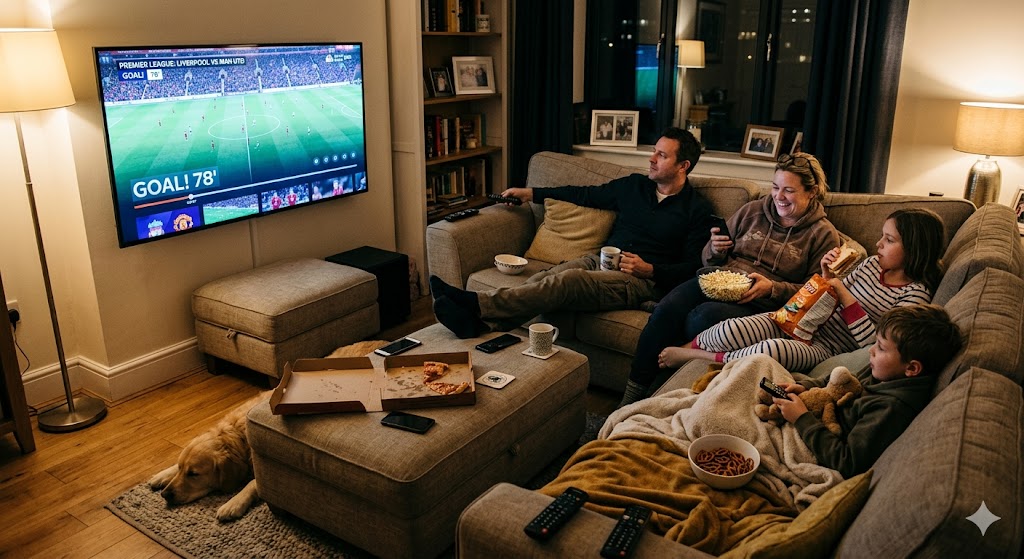
Television is one of the most common ways people unwind, but its impact on emotional health is often underestimated. What seems like harmless relaxation can quietly shape mood, stress levels, sleep patterns, and even recovery progress. For individuals in addiction recovery or mental health treatment, TV viewing habits can either support stability or contribute to emotional imbalance depending on how they are used.
At Emisi Union Online, we understand that recovery is built on daily choices, not just treatment sessions. Through addiction recovery services, mental health care, inpatient and outpatient programs, and holistic faith based support, individuals are guided toward healthier routines that strengthen emotional resilience and long term healing. Screen habits are one of those everyday patterns that deserve awareness.
The Connection Between TV and Emotional Health
Television affects emotional health in subtle but powerful ways. The brain responds not only to content but also to the amount of time spent watching.
How TV Influences Mood
TV programming is designed to evoke emotion. Drama, suspense, comedy, and even reality shows trigger psychological responses. While this can be enjoyable, repeated exposure to intense emotional content may contribute to mood swings, irritability, or emotional fatigue.
For individuals already experiencing anxiety or depression, these emotional shifts can feel more pronounced and harder to regulate.
Passive Viewing and Emotional Numbness
Long periods of passive TV watching can also lead to emotional disengagement. The mind becomes occupied but not actively stimulated, which may contribute to feelings of emptiness or low motivation over time.
In recovery, emotional awareness is essential. When awareness decreases, it becomes harder to recognize and process important feelings.
How Viewing Habits Affect Recovery Outcomes
Recovery is not only about avoiding harmful behaviors. It is about building structure, emotional regulation, and healthy coping strategies. TV habits can influence all three.
TV as a Coping Mechanism
It is common to use television to escape stress, anxiety, or uncomfortable emotions. While this may offer short term relief, it can also delay emotional processing.
In recovery, learning to sit with emotions is a key part of healing. Therapy, support groups, and holistic practices help individuals develop healthier coping tools.
Impact on Daily Structure and Discipline
Structure is a cornerstone of recovery. Consistent routines help stabilize mood, reduce stress, and support long term progress.
Excessive TV viewing can disrupt these routines by replacing important activities such as therapy sessions, exercise, meals, or rest. Over time, this can weaken recovery momentum.
Sleep Disruption and Emotional Stability
Late night viewing is one of the most common ways TV affects recovery. Screen exposure before bed can interfere with sleep quality and delay rest.
Poor sleep directly impacts emotional regulation, making it harder to manage cravings, stress, and mood changes. In recovery, this can increase vulnerability and reduce resilience.
Recognizing When TV Habits Become Unhelpful
Awareness is the first step toward change. Understanding your viewing patterns can help identify when TV is no longer serving your mental wellness.
Common Warning Signs
- Watching TV longer than intended on a regular basis
- Using TV to avoid emotions or responsibilities
- Feeling emotionally drained after viewing
- Skipping sleep or routines because of screen time
- Losing interest in recovery focused activities
These signs do not mean TV must be removed completely. They simply suggest that balance may be needed.
Creating Healthier Viewing Habits
The goal is not elimination but intentional use. Healthy TV habits can coexist with recovery when guided by awareness and structure.
Set Clear Time Boundaries
Decide in advance how much time you will spend watching TV each day. Clear limits help prevent overuse and encourage more mindful engagement.
Be Intentional With Content Choices
Notice how different types of shows affect your emotions. Choose content that feels calming, uplifting, or neutral rather than highly stressful or emotionally intense.
Balance Screen Time With Active Coping Skills
Replace some viewing time with activities that support recovery such as walking, journaling, meditation, prayer, or connecting with supportive people.
Prioritize Sleep and Rest
Avoid screen use before bedtime. Creating a consistent wind down routine without TV helps improve sleep quality and emotional stability.
A Holistic Approach to Recovery and Mental Wellness
At Emisi Union Online, we believe recovery is a whole person journey. Emotional health is influenced not only by treatment but also by everyday habits and lifestyle choices.
Our individualized care combines clinical support with holistic and faith based approaches to help individuals build strong foundations for long term healing. Understanding habits like TV viewing is part of that process.
Conclusion
TV and emotional health are closely connected. Viewing habits can either support relaxation and balance or contribute to emotional disruption, depending on how they are managed. While television can be a helpful part of daily life, excessive or unintentional use may interfere with mood stability, sleep, and recovery progress.
By becoming more mindful of viewing habits and making small, intentional adjustments, individuals can create healthier routines that support emotional wellness.
If you or someone you love is struggling with addiction or mental health challenges, compassionate support is available. Emisi Union Online offers personalized care designed to help individuals build stability, resilience, and lasting recovery. Reaching out today can be the first step toward a healthier and more balanced life.